In autumn Sweden divides neatly in two. The south is a season of harvest and golden city walks, while in the north the fells change colour and the aurora returns to Abisko, whose rain-shadow position gives it some of the most reliable clear skies in the Arctic.
Abisko and the “blue hole”
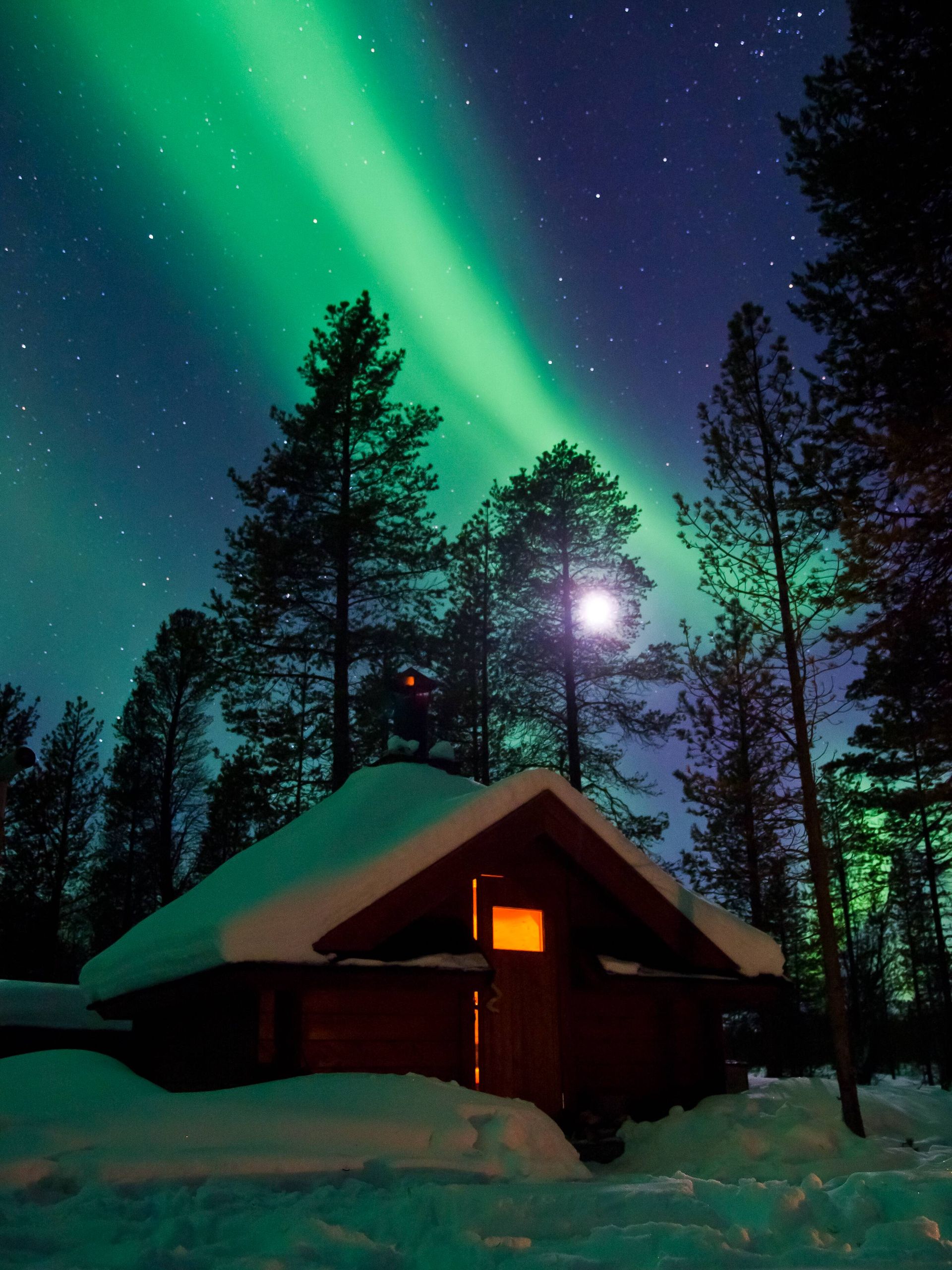
Abisko sits in the rain shadow of the Norwegian mountains, which creates a pocket of clear sky locals call the blue hole, often cloudless when everything around it is overcast. From late September it is one of the most dependable places in Europe to see the aurora.
We base clients near the national park with a private guide for the dark hours, and when it is open for the season we add the Aurora Sky Station on the ridge for an unobstructed view to the north.
For archipelago days and Midsummer, read Sweden in Summer →
The turning fells
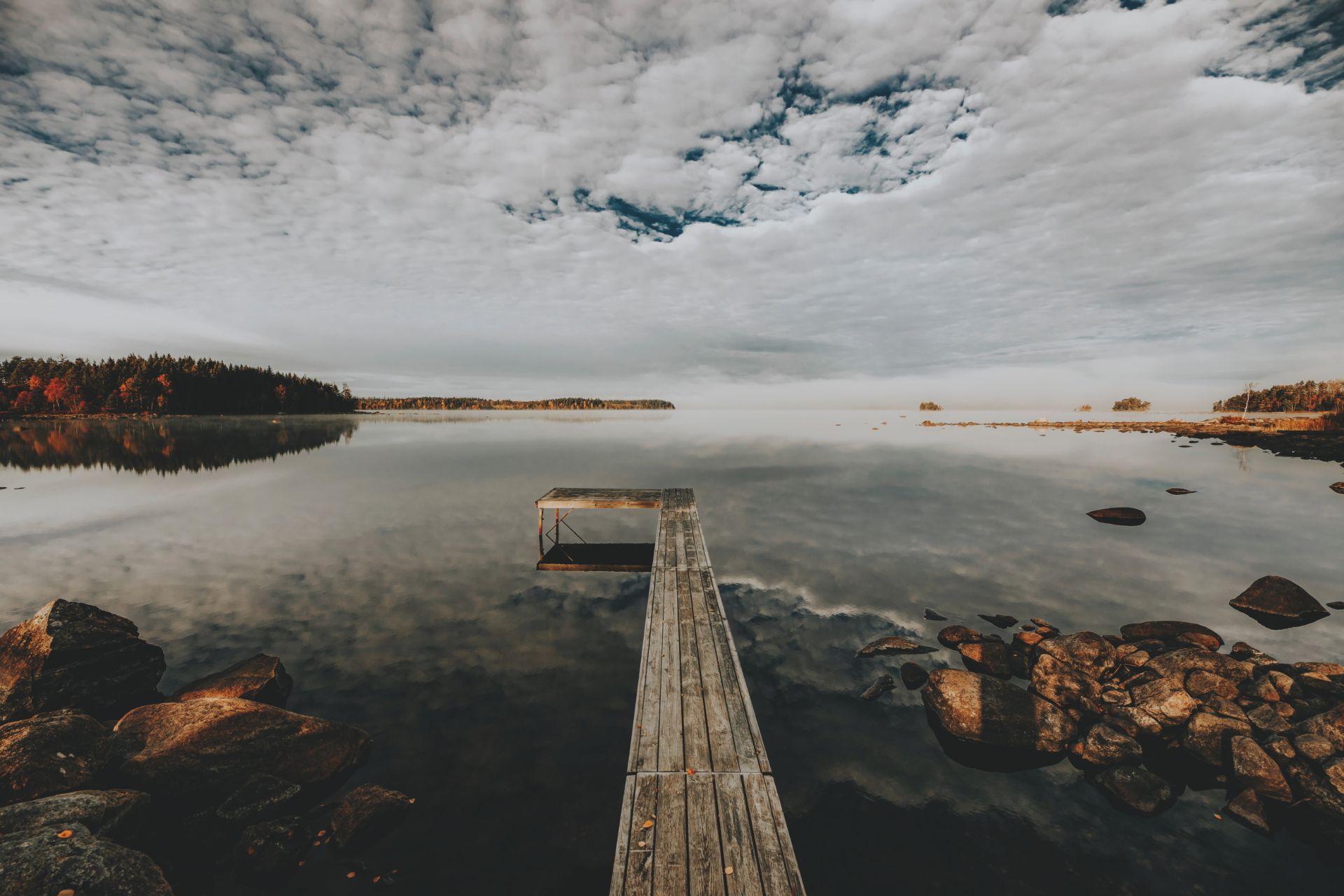
The fells of Swedish Lapland change colour through September, and the light for hiking is crisp and clear, with very few other people on the trails. It is the last comfortable window before snow closes the high ground.
Abisko’s blue hole gives you the best aurora odds in the Arctic, though no one can honestly promise more than odds.

A journey told end to end
We like to run the journey the full length of the country, beginning in Stockholm for the harvest season on the plate and the city at its autumn best, then taking a short flight north for the changing colour and the first aurora of the season, which gives clients two very different sides of Sweden in a single week.
For the best aurora odds we favour Abisko’s microclimate over better-known names, and begin the week with a few harvest-season days in Stockholm.