Svalbard is as far north as scheduled flights go, an archipelago of ice and mountains where polar bears are thought to outnumber people and the wilderness begins at the edge of the only town. It is the most demanding journey we arrange, and one that rewards careful planning more than any other.
Ship-based, by necessity
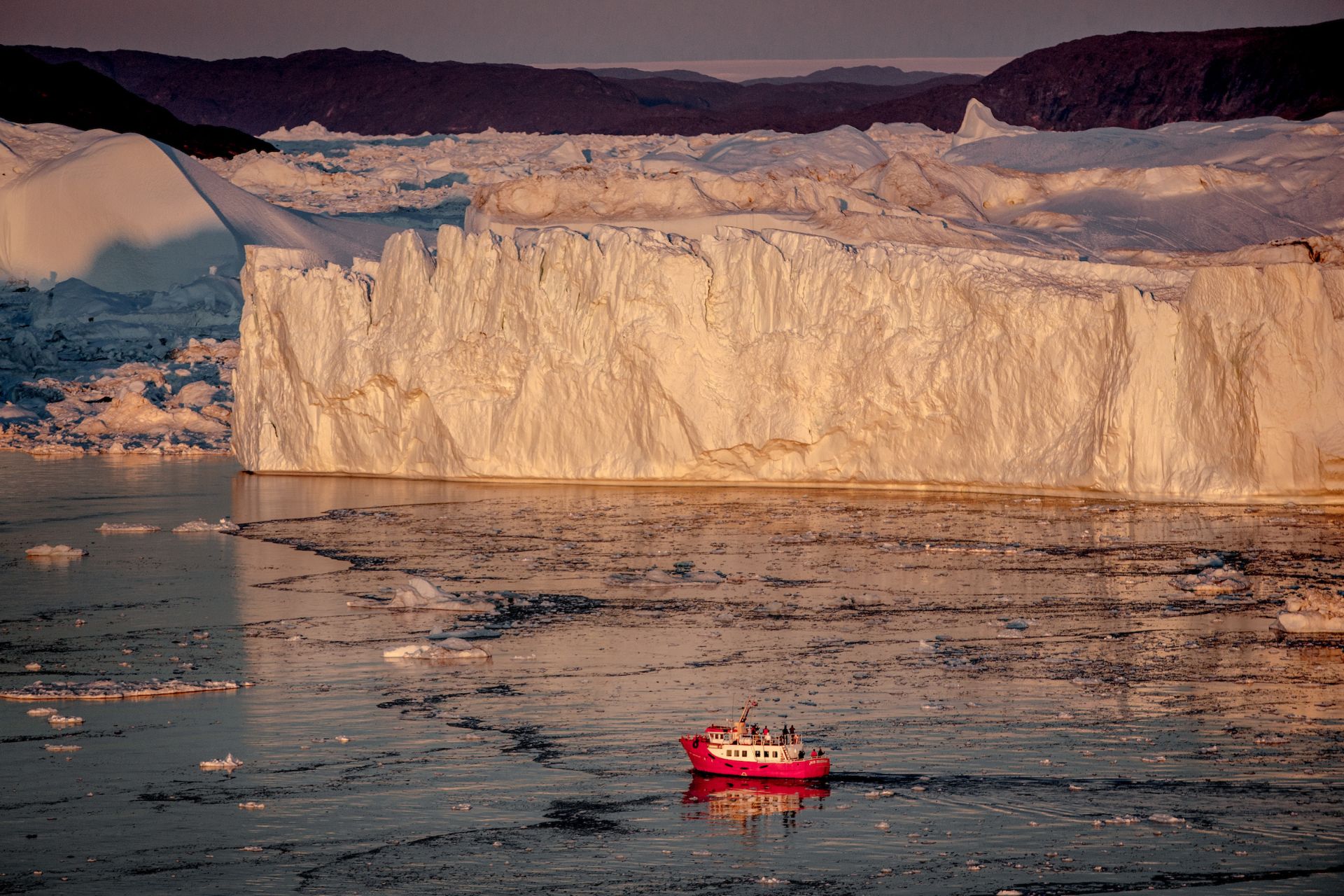
Most of Svalbard can only be reached by sea, so we arrange small-ship expeditions with a handful of cabins, an ice-strengthened hull and a high ratio of expert guides, which sail into the fjords, land by Zodiac on empty shingle beaches and follow the pack ice north in search of wildlife.
The size of the ship matters most, because the smaller it is, the more places it can land and the closer the voyage comes to real exploration.
For the other great Arctic expedition, read our Greenland dispatch →
Polar bears and the pack ice
Most clients come for the polar bears, and a responsible expedition follows the ice edge where they hunt, always at a careful, regulated distance and always with an armed and trained guide, as Svalbard law requires outside the settlements.
Walrus haul-outs, Arctic fox, beluga and vast seabird cliffs fill the hours between sightings.
Svalbard is not a place you tick off. You visit carefully, and on its terms.
Endless day, endless night
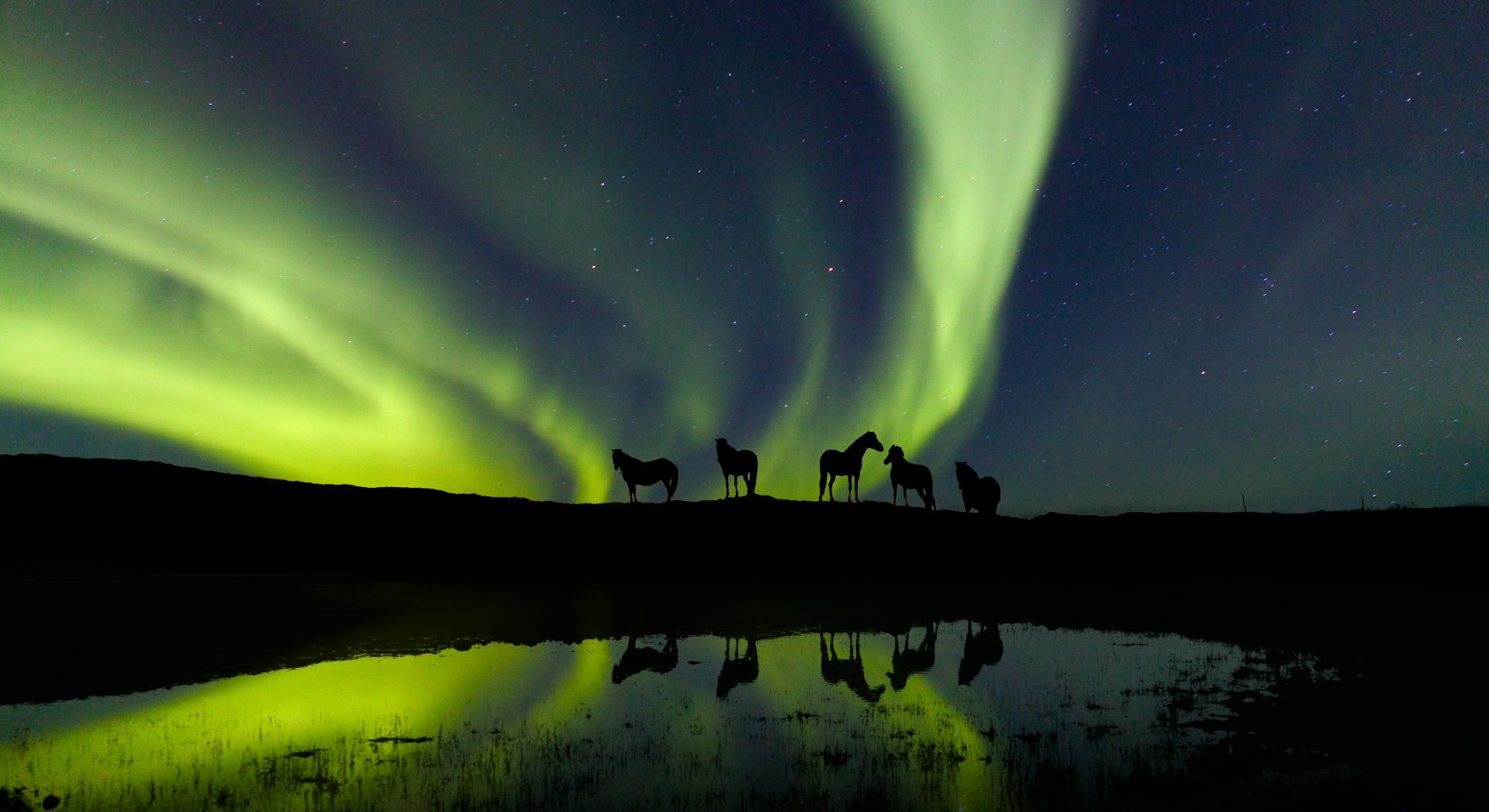
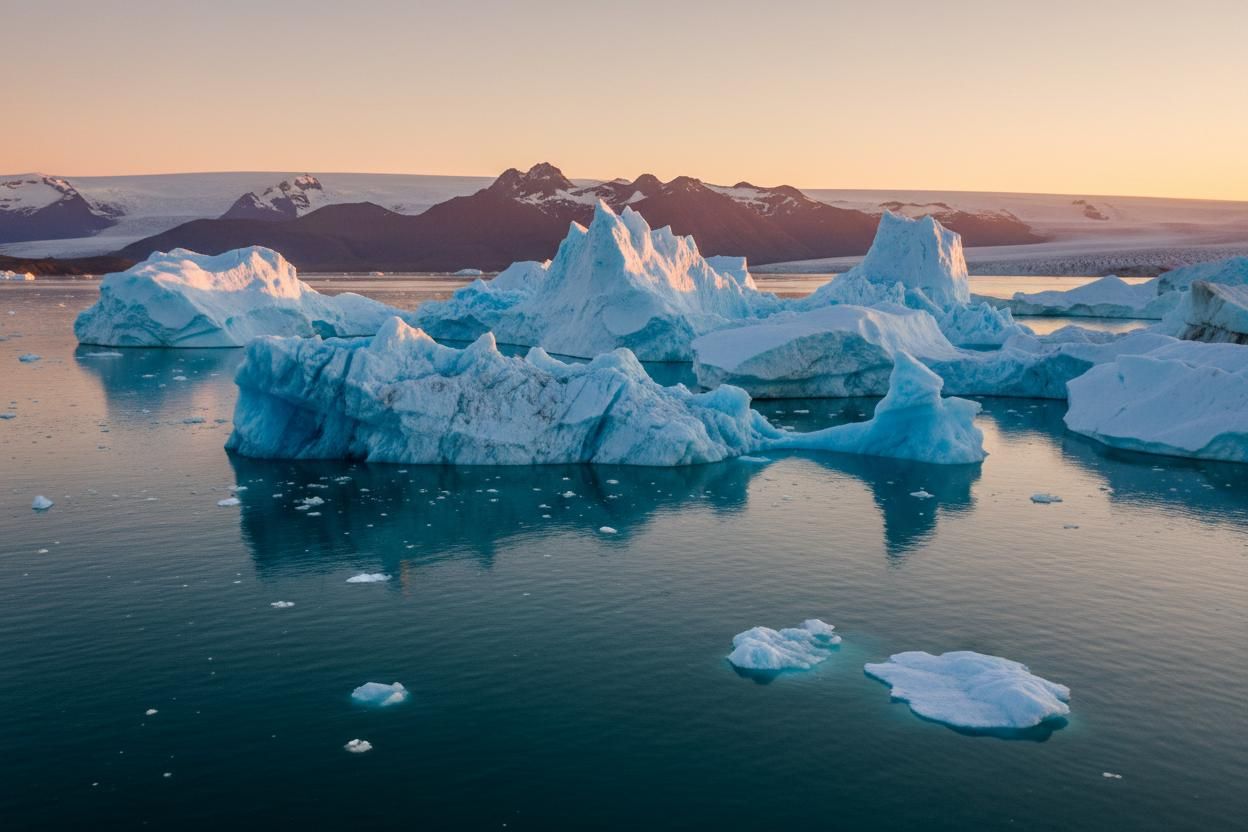
From around April to August the sun does not set, and from November to February it does not rise, when the polar night brings a still, lamp-lit calm and often the aurora directly overhead. For land-based stays out of Longyearbyen we prefer spring, when the snow is still firm for snowmobiles and dog sleds.
The best small ships to Svalbard book far ahead, so we plan early and look for vessels with the right ice class and a strong ratio of guides, because the expedition team makes the trip.