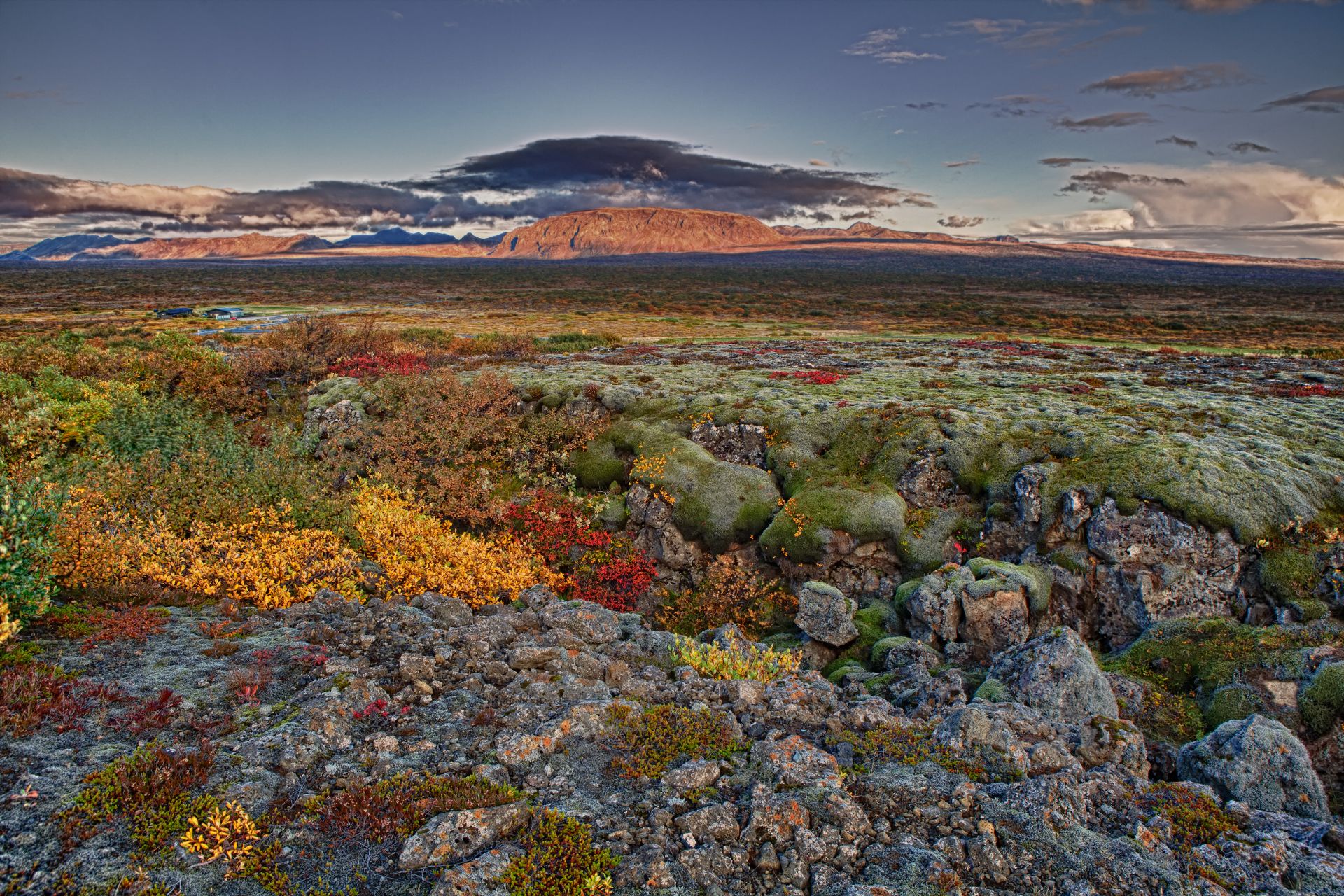
Autumn may be Iceland’s smartest season. From September the summer traffic recedes, the nights grow dark enough for the aurora, and by November the first natural ice caves open beneath Vatnajökull — all on roads that remain, for now, easy to drive.
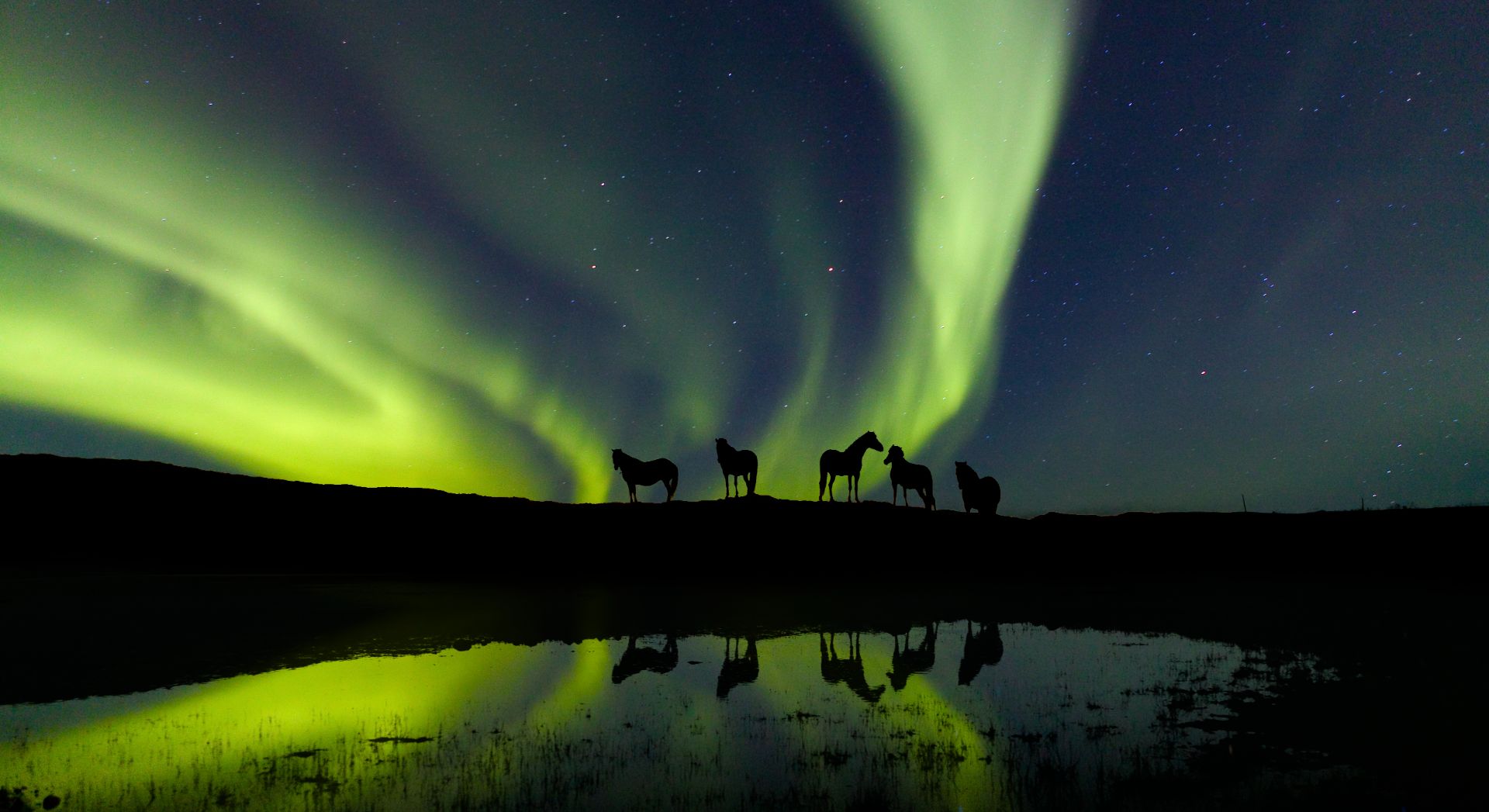
The aurora over the south coast
The aurora season runs roughly September to March, but autumn offers the sweet spot: properly dark nights without the ice and closures of deep winter. We base clients along the south coast with a private guide and a deliberately flexible plan — waterfalls and black-sand beaches by day, green light over them by night.
For the midnight sun and the open highlands, read Iceland in Summer →
The roads empty out
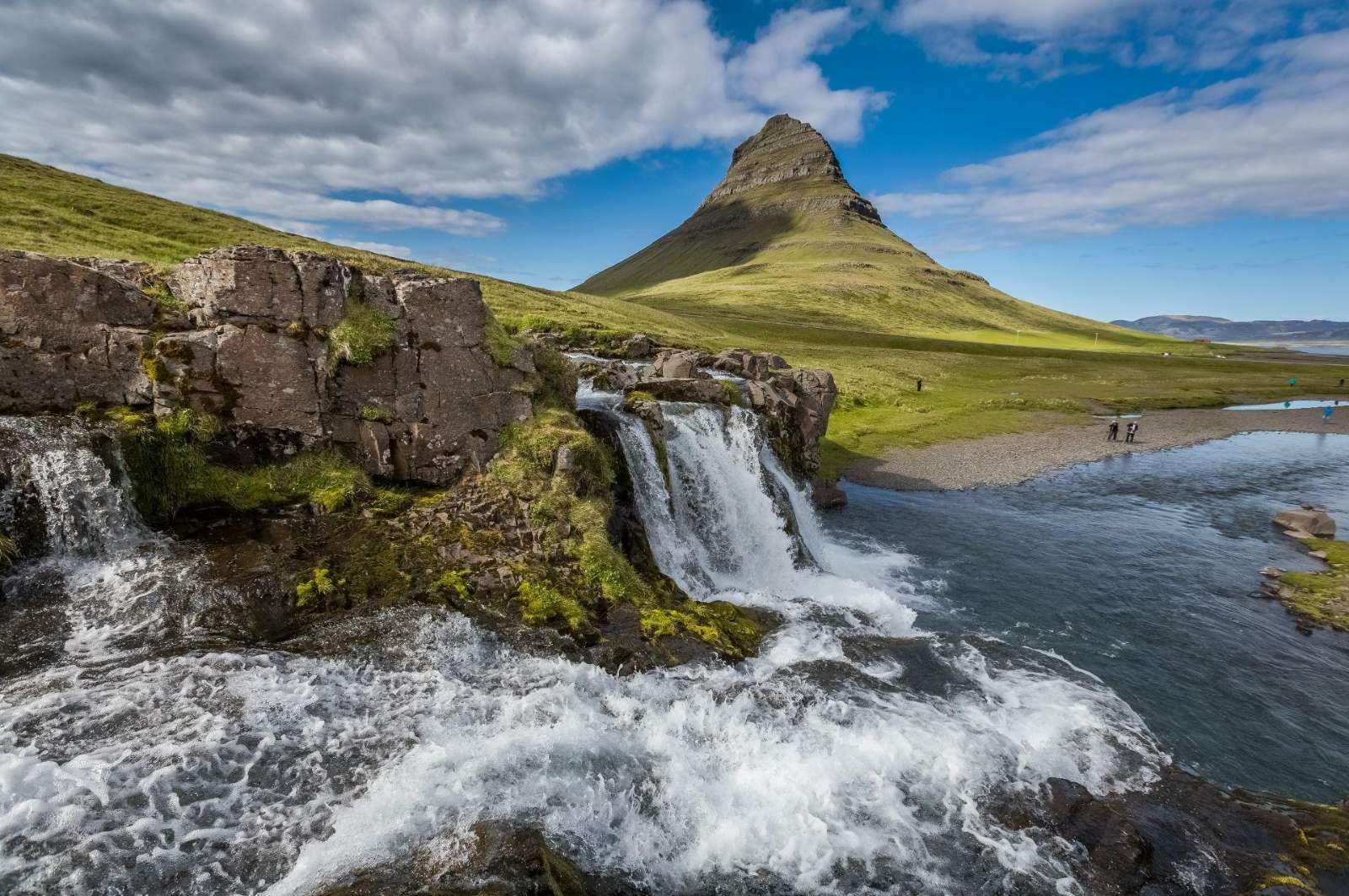
By October the ring road is quiet again. The Golden Circle, the Jökulsárlón glacier lagoon and the south coast can be seen near-dawn with scarcely another vehicle in sight — the Iceland of a decade ago, briefly returned.
Autumn brings darker skies and emptier roads — exactly what Iceland’s famous places need.
The first ice caves
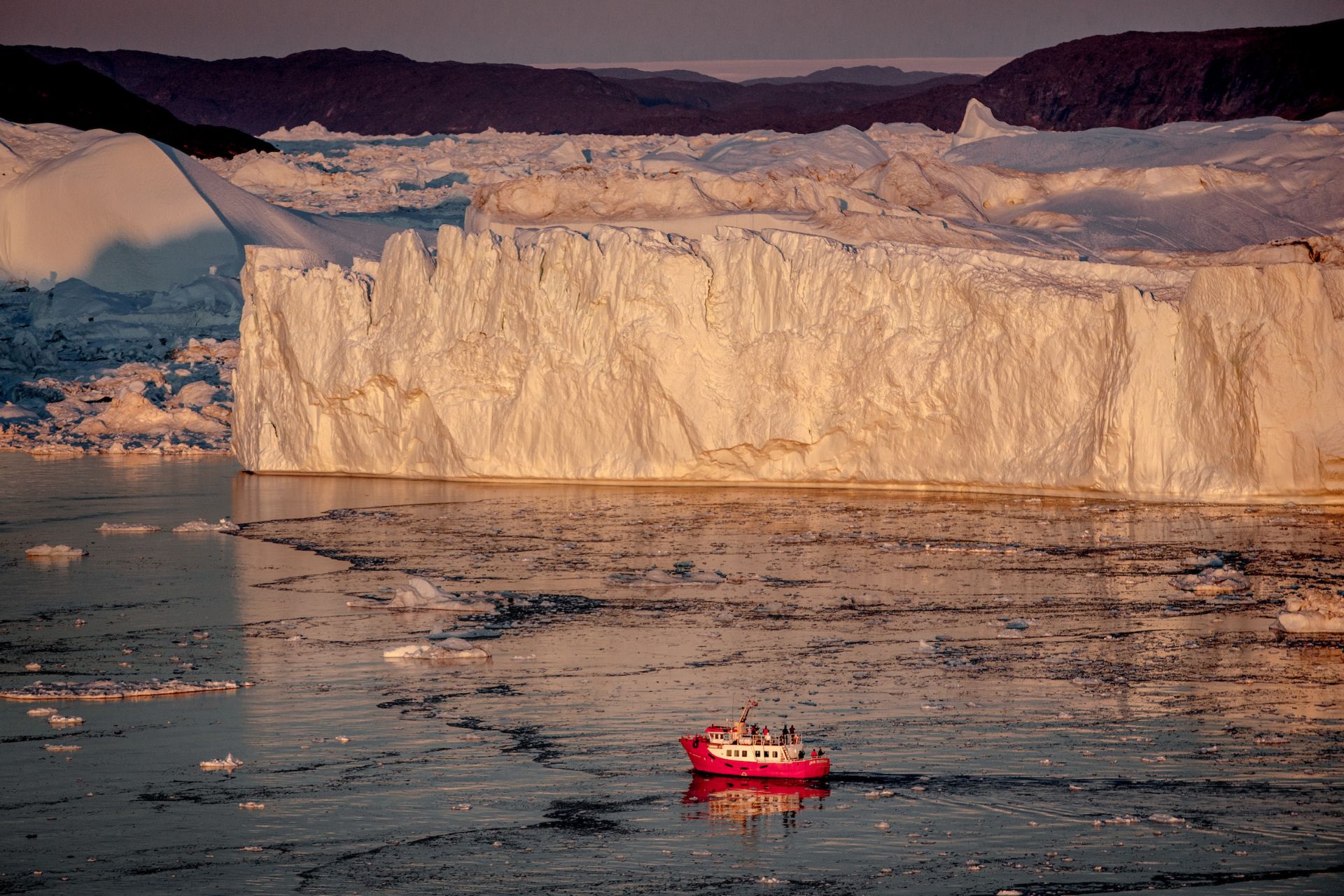
From November, as the glacier cools and stabilises, the natural blue ice caves beneath Vatnajökull become safe to enter. The earliest of the season are the least visited and, often, the most vivid — and we work only with the glacier guides we know and trust on the ice.
It is worth being clear with clients: cave access is a safety judgement made week by week, never a fixed date.
Ice-cave access is a safety call, not a calendar date. We work with experienced glacier guides and aim for the first-of-season caves at the quietest possible time — always led by conditions on the ice.